
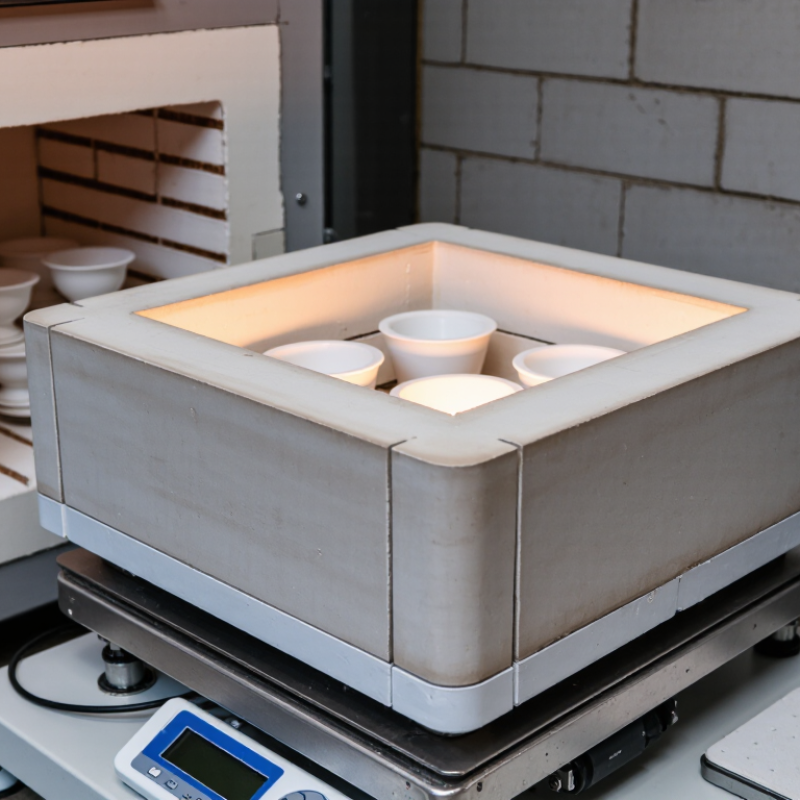
How to Choose the Right Cordierite Saggar?
Match Saggar Design to Product Load, Kiln Conditions, and Budget
Choosing a cordierite saggar starts with the product load, not the lowest quoted price. Measure the batch weight, footprint, and stacking height before selecting dimensions. A shallow saggar suits small, evenly distributed pieces. Taller loads need stronger walls and careful internal support. Avoid packing products against the sides. They need space for handling and airflow.
Kiln conditions matter just as much. Check the firing temperature, heating rate, cooling speed, and atmosphere. Cordierite offers low thermal expansion, which helps reduce cracking during thermal shock. However, it is not damage-proof. Repeated rapid cooling, uneven loading, or direct flame exposure can shorten its service life. Vent holes may help some processes, but excessive openings can weaken the structure. Ask the kiln operator to confirm clearances and shelf alignment.
Budget decisions should include the full operating cost. A lighter saggar may reduce handling effort, yet it can wear faster under heavy production. A thicker design costs more initially but may provide better stability. Inspect corners, rims, and the base after every cycle. Small chips can become serious failures. I once underestimated the weight of a stacked load, and the saggar bowed slightly. That mistake changed my inspection routine. Pilot testing is essential. One test batch may reveal problems that specifications miss.