
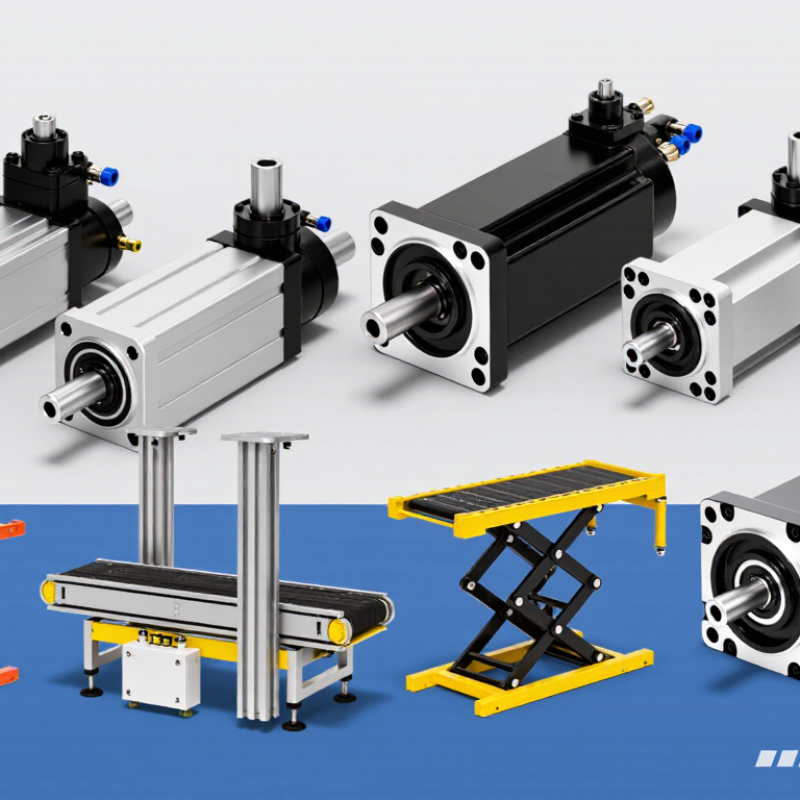
What Are 24V Actuators and How Do They Work?
A 24V actuator converts electrical energy into controlled mechanical movement. Most industrial models use a DC motor, gearbox, lead screw, or linear rail. When a controller applies 24 volts, the motor turns and drives the screw. The screw then extends or retracts the actuator rod. Reversing polarity usually reverses motion. Sensors can report position, speed, or overload conditions.
The voltage is practical for factories. It supports common control cabinets and reduces shock risk compared with higher supply voltages. According to the International Federation of Robotics World Robotics 2024 report, 541,302 industrial robots were installed globally in 2023. This growth increases demand for compact positioning components around robots, conveyors, valves, and adjustable fixtures. A 24V actuator can move a guard, align a workpiece, or adjust a tooling height with repeatable force.
Specifications matter more than voltage alone. Engineers should check stroke length, load, duty cycle, speed, backlash, and ingress protection. IEC 60204-1 also emphasizes safe electrical equipment for machinery. A sealed housing helps in dusty areas, but it does not solve overheating.
That assumption is convenient, but incomplete. Long strokes can reduce speed. Repeated stalls can damage the motor or gearbox. Voltage drops in long cables may also weaken starting torque. In practical testing, measure current during startup and under real load. Laboratory figures can look excellent. Factory conditions are less forgiving.